
Gardening

Softening The Look Of Your Verandah With Pot Plants

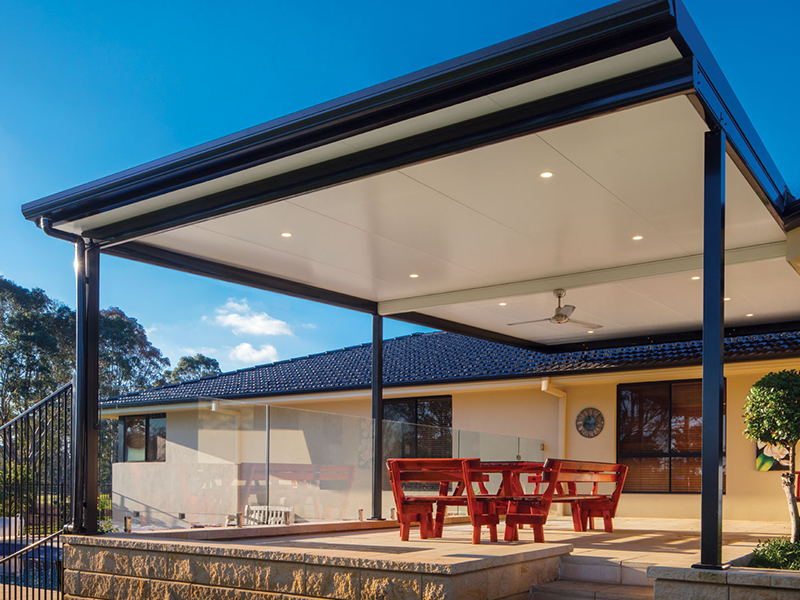
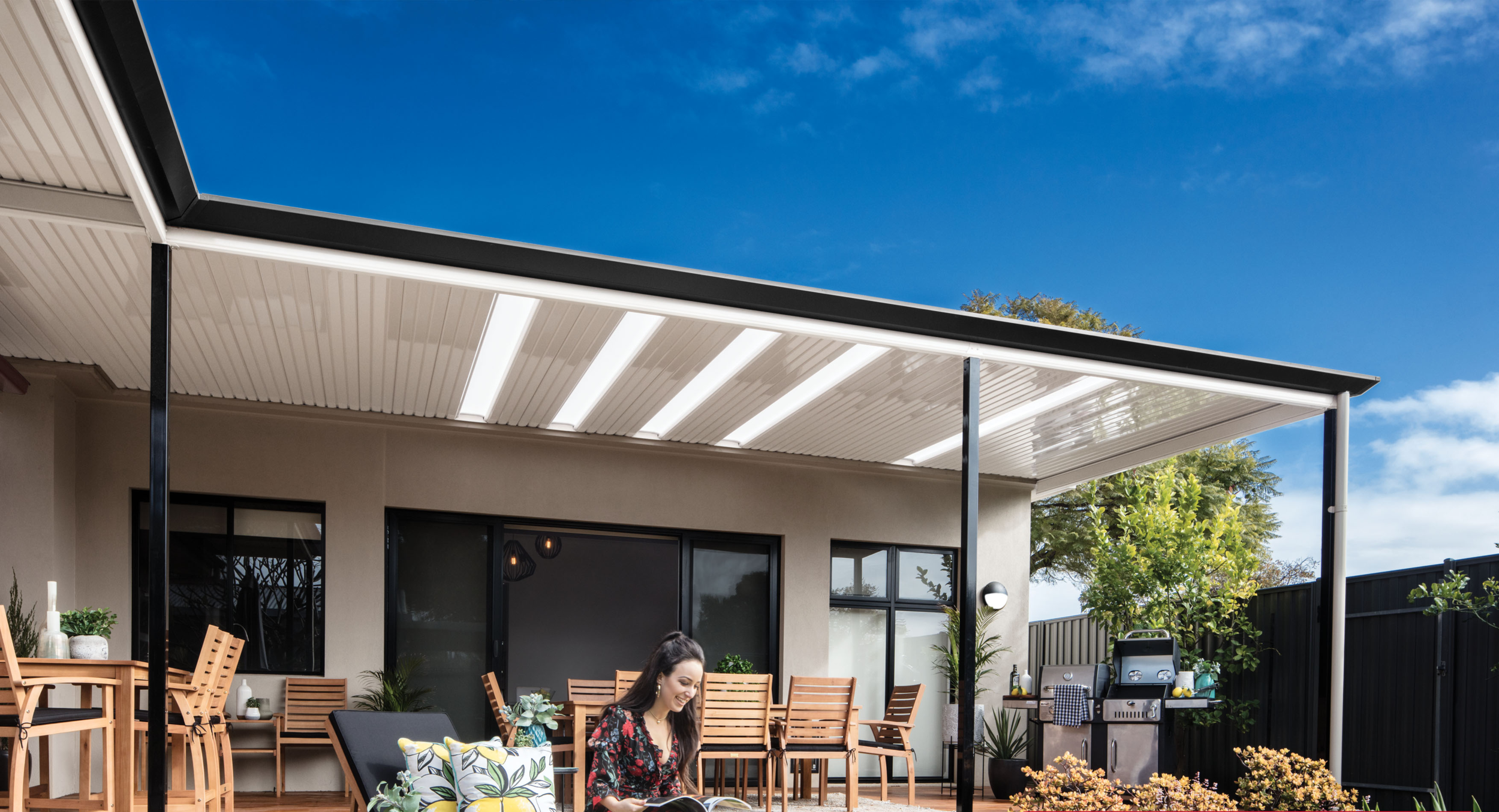
Having a verandah added to your home is a big decision to make, and it can totally transform the way you use your house. But while the biggest decision is in choosing the style you want, you still have some work to do once the structure is complete and ready to use.

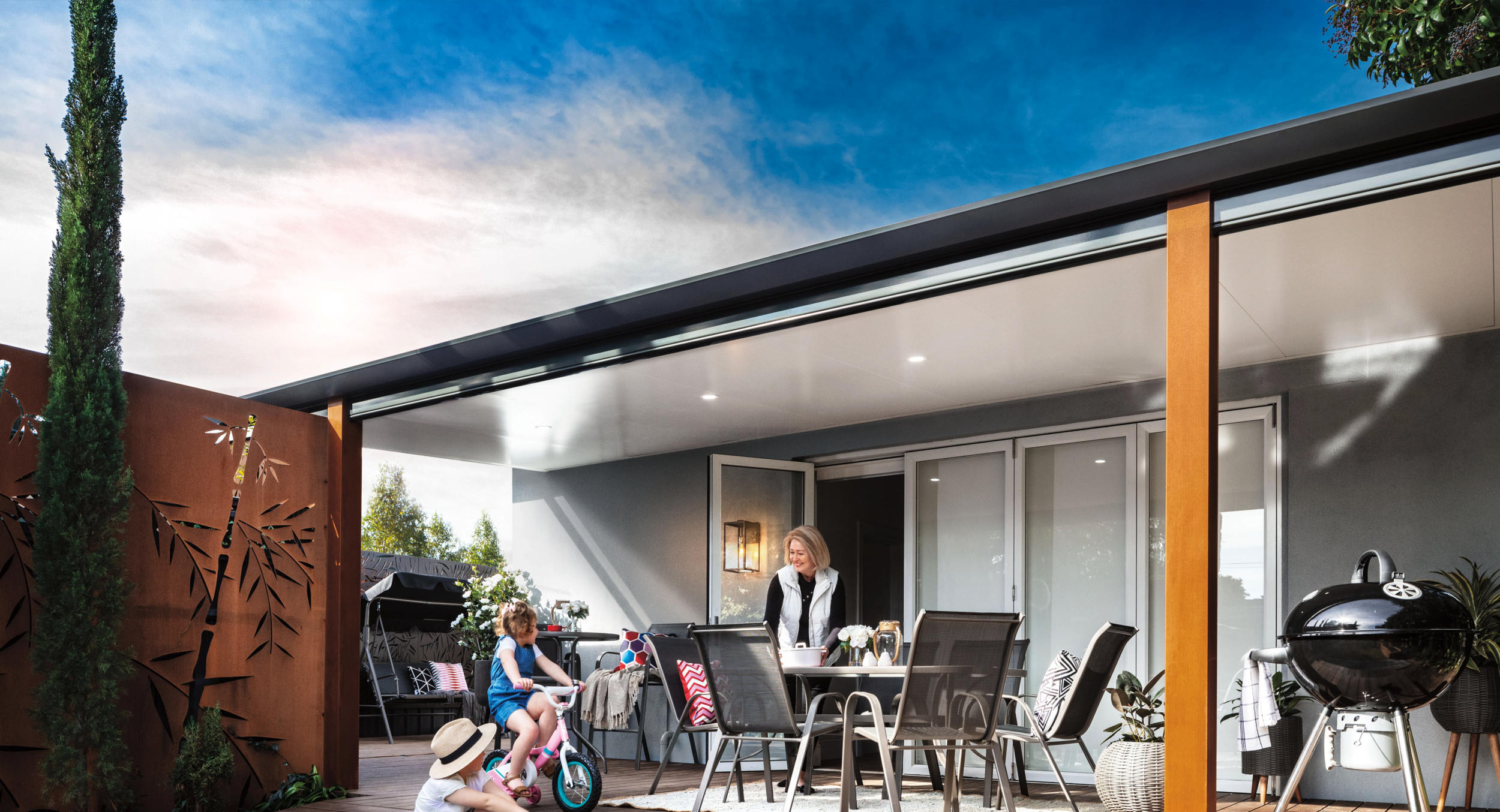
For example, you will also need to think about how to make it the most inviting space that you can, and simply adding some chairs or a lounger won’t always do the best job in this regard.

What does always work well here is to make good use of flowers and shrubs to soften the overall appearance of the new structure, and this can actually be a lot of fun as well.

The most obvious things to add – and by far the easiest – are pot plants. These are easy because they can be swapped around or moved position in just a few seconds, and you don’t need to commit to any firm designs because you could literally move them round to give you a different look and feel every day of the week if you wanted to.
Learn more »

Making The Most Of Your Back Garden

How good does your back garden look at the moment? Is it exactly how you would want it to be, or do you feel that it lets your property down a bit?

If it is the latter, don’t worry. You can do a lot to enhance your garden without making any huge changes to it. Transforming your garden can be very expensive if you tackle it on a large scale, but you can make a lot of changes on a much smaller scale to accommodate any size budget that you have.

For example, if you would like an outdoor entertaining area then you could invest some cash in building a veranda. Obviously a large one will cost more money, but a small sized one will be cheaper and it will really enhance your garden and add value to it and how you can use it.

If you do decide to add this kind of structure to your home, you will find that it becomes a good focal point in your garden. So before you have it built, try making a sketch of your garden – roughly to scale – and add the verandah so that you can see how it relates to the rest of your garden. This will enable you to decide on how to approach the rest of the space in a way that will really do it justice.

You should think about how you would like to use the garden as this will help you make the important decisions on how to approach the project. For example, are you likely to want to entertain a lot of visitors on a regular basis? Do you like having barbecues and enjoying long lazy summer evenings outside watching the sun go down? How about providing a nice space for the children to play in?
Learn more »

Plants To Attract Birds And Wildlife

There’s arguably nothing more relaxing than sitting back in a lounger, protected by the shade of your veranda, and looking out onto your garden. If you take the time to landscape your garden thoughtfully and artistically you will be able to enjoy many a day looking at the fruits of your labours.

But if you plant the right things you can enjoy even more than that. Every garden can be a haven for birds and wildlife, and if you take the time to find out the best items to plant to attract their attention, they will soon come and explore your garden and give you even more joys to watch as you sit back and relax.
No matter where you live, you will have a unique habitat just waiting to come into your garden. Just as we humans prefer certain habitats to others, so birds and wildlife are exactly the same. That’s why it’s worth finding out what you might expect to see in your particular area. From birds to butterflies, and bees to pond life, your garden can welcome them all if you know what to plant to attract them.

The best strategy is to plant things as close to your veranda as possible, to ensure that when the wildlife does start to come, you will have a great view of it. You don’t need to plant everything in borders either – it’s possible to create a nice array of tubs containing different plants and shrubs to add variety and colour to different parts of your veranda. You might even try a ‘tub pond’, which is exactly what it sounds like; a half barrel fitted out to be filled with water and plants to attract pond skaters and other types of water dwelling insects.

Learn more »

Landscaping Around Your Veranda

Installing your veranda is just the first step to creating a garden space that you will want to use as much as possible. The next stage is to concentrate on the surrounding landscaping, to make sure you have a pleasant and enjoyable view to look out on all year round.

Your veranda essentially stands between your house and your garden, but that doesn’t mean you should view it as a solid structure. It can work well to bring elements of the garden onto your veranda by clever use of pots and troughs to blend the two in together.

Curved borders look wonderful running along the edge of your veranda, but be sure to leave adequate space to step down from the veranda itself onto your lawn if you have one. Take care to include beautifully scented flowers as well, which will flower at separate times throughout the year. This way you will have a constantly changing view and array of beautiful colours to appreciate as you sit on your veranda and soak up the sun.

Think about lighting as well, since this will make your veranda more appealing to use at night during the warmer summer months. One of the best options to buy nowadays is solar lighting, which means you don’t have to worry about putting in wiring, or doing anything other than simply pushing the lights into the ground exactly where you want them. A lot of solar lights come on spikes which make for quick and easy installation. Plus they won’t cost you anything in electricity!

Learn more »

Fake Plants versus Real Plants

If you are looking for a way to soften the overall look of your veranda and make it look more welcoming, plants provide the ideal way to do just that.

However you still have a choice to make – are you going to go for real plants or opt for fake ones instead?

Perhaps unsurprisingly both options have their advantages and disadvantages. If you are a keen gardener then real plants will be your only option, as part of the joy of filling your veranda with plants will be in the growing of them in the first place.

If you aren’t known for your green fingers however, fake plants may be a better choice. They remove the stress of having to grow and maintain real plants on a daily basis, with all the knowledge that entails. If you are prepared to spend some cash to get fake plants that are very lifelike then there is no reason why they shouldn’t blend in and look completely natural.

One major disadvantage of having fake plants is that you won’t be able to enjoy the glorious scents that real plants and flowers bring. You can always buy a similar scent to spray on them, but it just isn’t the same as the real thing. You also won’t be able to enjoy watching your plants grow and flourish during the year.

Learn more »

Finding Plants That Will Survive In Your Soil Type

Even though there are a wide variety of plants to choose from when creating your garden or enhancing your landscape, you should know which type of soil you have before buying plants because many can only survive in certain soil conditions.

Types of Soil

Most soil falls under three categories: clay, loam, and sand. If you have loamy soil, then you can choose practically any plant you want and it will thrive because this is the best type of soil to have. Because most people do not have loamy soil, they must understand how to work with the soil they have. This includes buying fertilizer, lime for clay based soil, and not watering the soil as often so nutrients will always be present for plants to grow.

You can determine the type of soil you have by obtaining a sample and sending it to a lab to analyzed, or you can test the soil yourself using less sophisticated methods:

• Clay soil will form a perfect ball when you mold it
• Sandy soil will fall apart when you try to mold it into a ball
• Loamy soil will form a shape, but will fall apart when you apply a little pressure

Learn more »