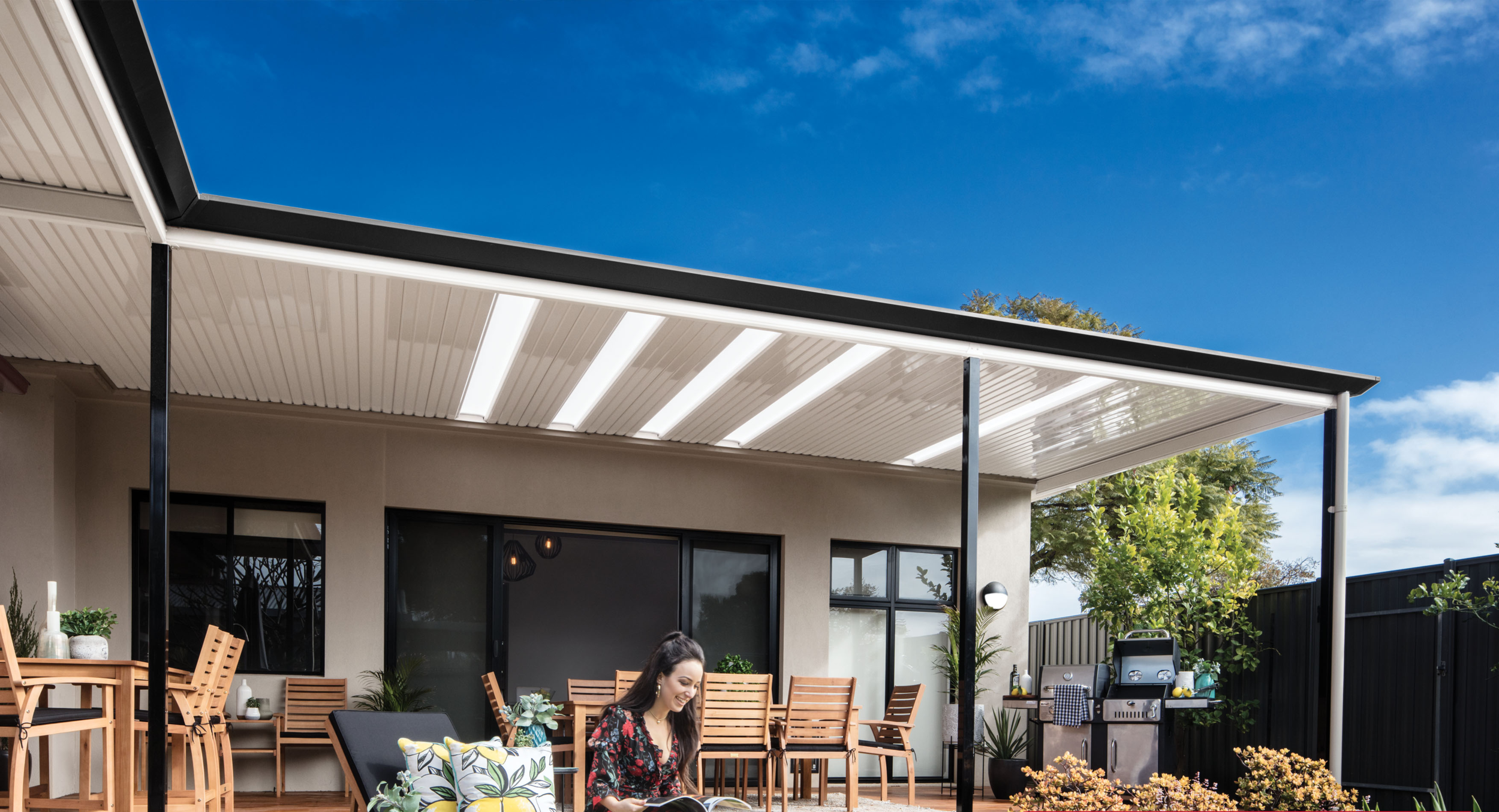

Patios

Buy or build: pros and cons when it comes to patios

“Buy or Build” is a real issue with patios, because there are real practical situations to deal with. The homeowner’s budget is one of them, and design issues are another. This is a situation that needs very close attention, because the costing, planning and construction issues can be far from simple. What you want from your own home patio is the real issue.
Learn more »

Building a patio to increase your resell value

Building a patio is a very reliable each way bet for home owners, particularly over time. It naturally increases the resell value, but it also adds amenities, and it’s often a very good design option, creating space, and dealing with that “unfinished” look many homes often have. A modern home patio can be an absolute joy, and it can do great things for a house you wouldn’t believe.
Learn more »

A Rustic Home Patio – 9 Handy Heritage Hints

There’s something about the rustic look that makes an area not only look but feel warm and inviting. Turn your outdoor patio or entertaining area into a treasure trove of yesteryear with some simple solutions to brighten up the dullest space by using some of these ideas.

1. Rustic outdoor furniture

Transform the area instantly with the use of wood or wrought iron furniture. Old and worn out timber pieces can be neatened up with a light sanding, followed by a rich stain and a coat of varnish.
Learn more »

Want To Buy Patio Furniture? How To Perk Up Your Pergola

The pergola’s been built, but how can you make it look more inviting? Careful planning and design using the right furniture suited to outdoor living can perk up your pergola and turn into it a favourite retreat for all the family.

There was a time when choices were limited to the park bench style seating or plastic tables and chairs. These days the selection of patio furniture available is as varied as the styles of pergolas themselves.
Learn more »

Why Combining Designs Can Be The Best Idea Of All

Adding a verandah or patio area to your house can completely transform your home. But how do you decide which design to choose?

It’s true to say that you may be limited in some way depending on the size of your property and the way it is designed, but for the most part you will have plenty of choice in the final structure and how it looks.

Most people assume that they can only have one structure and they need to decide between them, but this isn’t necessarily the case. For example the Heritage design can equally well be used for a carport as it can for a covered entertaining area outside. So if you have the room, why not get a carport added to the side of your home and a separate verandah added to the rear?
Learn more »

Types Of Patios

If you are looking to build a patio in your back garden you will need to decide what kind of patio you want to go for. The type you choose will make a big difference to how the finished patio will look, so it pays to think about the kind of environment you are putting it into and how it will weather over time.

Patios can be made from several different types of material. Brick is a good choice if you want your patio to have an elaborate design, because you can make many different kinds of patterns with them. Herringbone designs in particular can look very effective.
Learn more »

Differences Between Patios And Verandahs

Everyone likes to make the best of their back gardens, but there are a number of ways to do it and some of these involve having a permanent structure added to your home.

Some people get confused when faced with whether to go for a patio or a veranda, since the difference isn’t always that well known. An outdoor patio is made of a hard material such as brick or tiles, and can range in size from being quite a small area to a very large one depending on the amount of space available and the needs of the owners.

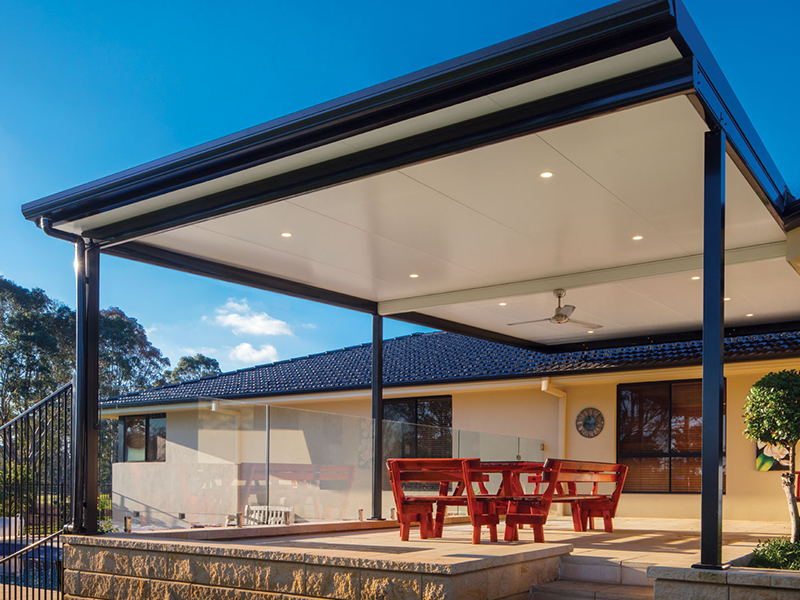
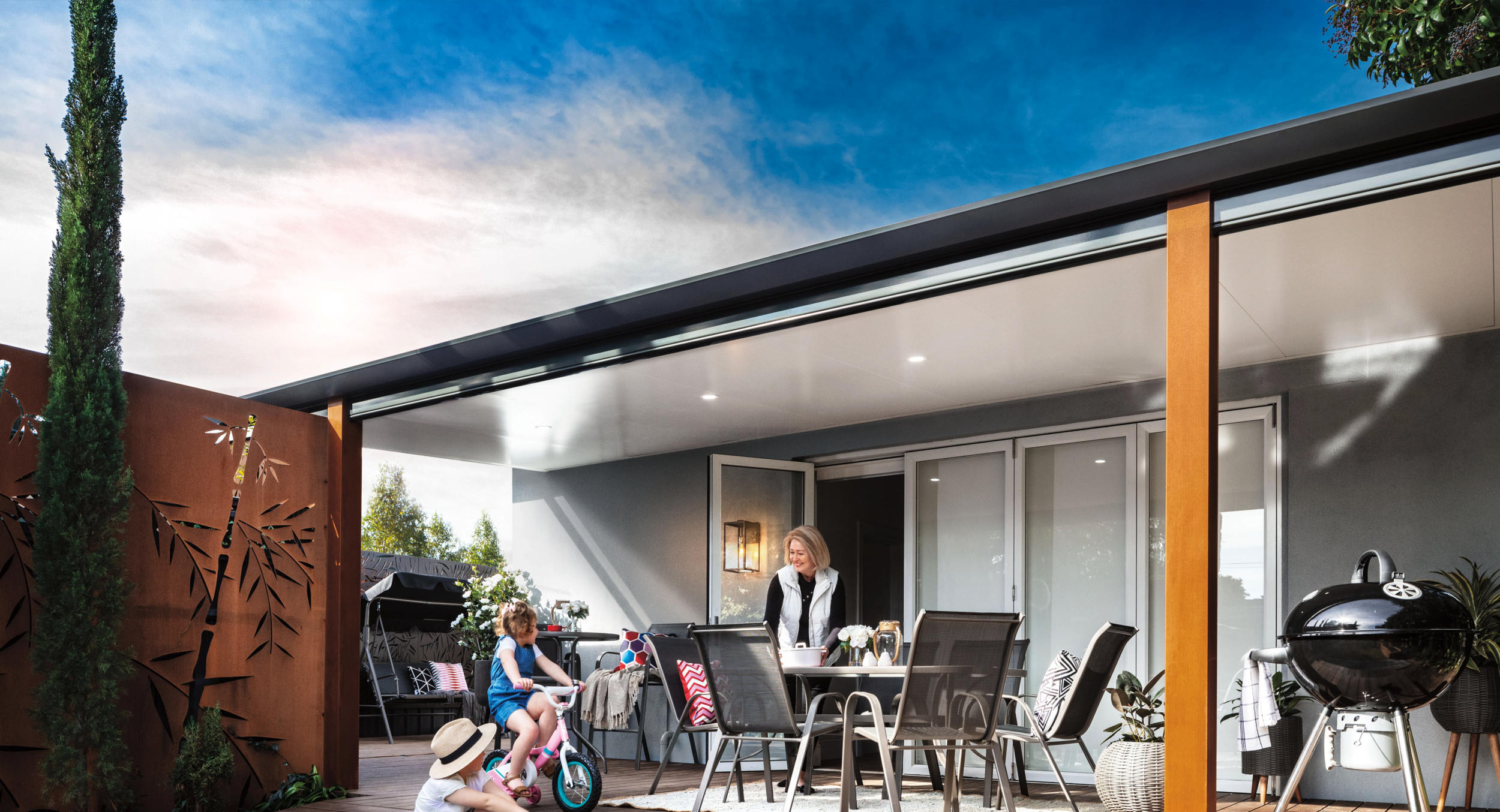
Outdoor verandahs differ from patios in that they are always covered areas which are attached to the building. By contrast a patio can often be uncovered, but a veranda will always have some kind of roof – possibly fixed or sometimes with retractable sections so that you can still enjoy the sun if you want to.

If you are in a position of trying to decide which one you would prefer, you need to think about what your individual needs are to be able to make the right decision. For example a veranda will be attached to the rear of your property and can extend round the side as well if you have the room. It is also ideal if you like to stay outside but don’t like the sun too much, as you can sit in the shaded areas all day. You will need to determine when and where the sun falls on the rear of your property before you decide how far out from your house the veranda should extend.

Patios have rather more versatility in some ways, since you can build them on many levels and in any shape you wish. With a veranda you need to have a certain number of supports to be able to hold the structure up, whereas a patio doesn’t have this concern.

If you would like a patio you need to think about how big you want it to be and where it will be situated in relation to your house. Some people even build more than one patio area if they have a large garden, so that they can enjoy sitting in different parts of the garden.

Of course if you have the right kind of property you may be able to have the best of both worlds, and have both a verandah and a patio added to your garden. This can transform your property and give it an additional outside room to enjoy, with plenty of space for parties and barbeques as well.

It should always be remembered that both structures are fairly permanent, so it is worth spending some time sketching out your ideas and building in areas for planting and flowers to soften things up a little as well. As with so many areas in the garden it is quite often the finishing touches that make all the difference to the final look, so make sure you don’t forget them, whichever structure you eventually decide to go for.

Cleaning Patio Awnings

Awnings are a great addition to any patio, whatever size or style you may have. You will notice the benefits particularly if the area is in direct sunlight for much of the day, since the awning will help to keep it shaded and more usable for longer.

But just as with any other external fixture to your home, an awning will need cleaning from time to time and if you want to keep it looking at its best you will need to do this on a regular basis.

The first step should be to check the instructions given on the packaging that came with the awning itself. Different products may have different requirements so if the instructions give you specific steps to follow then you should certainly go along with these.

However most awnings have fairly similar needs and they are not complicated either. The frames should be wiped down with a soft clean cloth which is slightly damp, to remove any dirt that the wind kicks up during the day. If you do this regularly there shouldn’t be any need for any hard scrubbing.

Awnings do differ in their design and structure, so make sure you use the right method for your particular design. If you have a fabric awning then soap and water is the best way to clean it. If you don’t keep on top of this job you may find that more stubborn stains will develop, and if this is the case you may need to call out a professional cleaner to get rid of them. This is one particular point which goes in favour of you cleaning them regularly yourself to make sure no build up occurs.

You will generally find that most awnings for use on your house patio are treated to be waterproof, or at least showerproof. In the case of retractable awnings the fabric still needs to be able to retract easily, so the awning still needs to be quite flexible.


This isn’t to say that you should leave the awning out in all types of weather though, especially not if you want to keep it clean and looking good all year round. Make sure you retract it if heavy rain is forecast.

When you do clean it, it’s best to do so in warm weather if you can. While you shouldn’t be soaking it in water to clean it, you will need to be able to sponge out any stains and so the awning is likely to be damp once you have finished. If you were to retract it while it was still damp, you might end up with mould growing on it, which could ruin the material altogether.

The moral here is to devote a little time on a regular basis to keep your awning looking as good as new. And if you find your existing one doesn’t scrub up to standard once you have cleaned it, perhaps it is time to buy a new one. After all, an awning can add a stunning touch to any patio if it is well looked after.

Adding Onto An Existing Patio

Not everyone starts from scratch when it comes to adding a home patio onto their property. If you have moved into a property which already has a patio in place, it can sometimes be easier to add another section onto it, rather than ripping up what is already there.

But before you do anything you should take some time to work out what you would like to do. Make a start by sketching out a rough plan of your entire garden to scale, and mark in any features that you would like to keep in place, or that are permanent anyway.

Lightly sketch out your existing patio and then work out what you would do if you added a section onto it. Would you need to extend it in a certain direction? Would that affect any features you already have, such as flowerbeds and perhaps part of the lawn?

It’s also a good idea to think about how you will use your garden, mainly because you will have to work out how much bigger the patio will be once the addition is in place. If you need lots of room to entertain people, a barbecue area might be a good idea. Conversely you may not be prepared to lose a lot of your lawn if you have young children, so bear this in mind too.

Once you have an idea of where you want the extension to be, mark it out in your garden using some string to indicate roughly where the edge will be. This will give you a much better idea of the size of your whole patio once it is finished.

Regardless of the size that you want your outdoor patio to be when it is complete, you will want the new addition to match the existing patio as closely as possible. Obviously the shade will not match exactly, since a certain amount of weathering will have affected the original patio, but a close match will provide you with a good finish once the elements have done their job in the ensuing few weeks and months.

Another point to bear in mind is whether there will be a difference in height between the existing structure and what you intend to add to it. If there is you may want to think about building a step or a slope into the design, depending on your needs. If there is a reasonable difference between the two levels you could take the opportunity to build a raised bed into the design, softening the join between the old patio and the new one with some good planting and foliage.

If the difference between the old and the new is still quite visible, try blasting your old patio with a proper cleaner to get all the grime and dirt out of the floor. It’s amazing how much difference this alone will make, and it’s worth spending a couple of hours doing this as it will improve your brand new larger patio no end.